
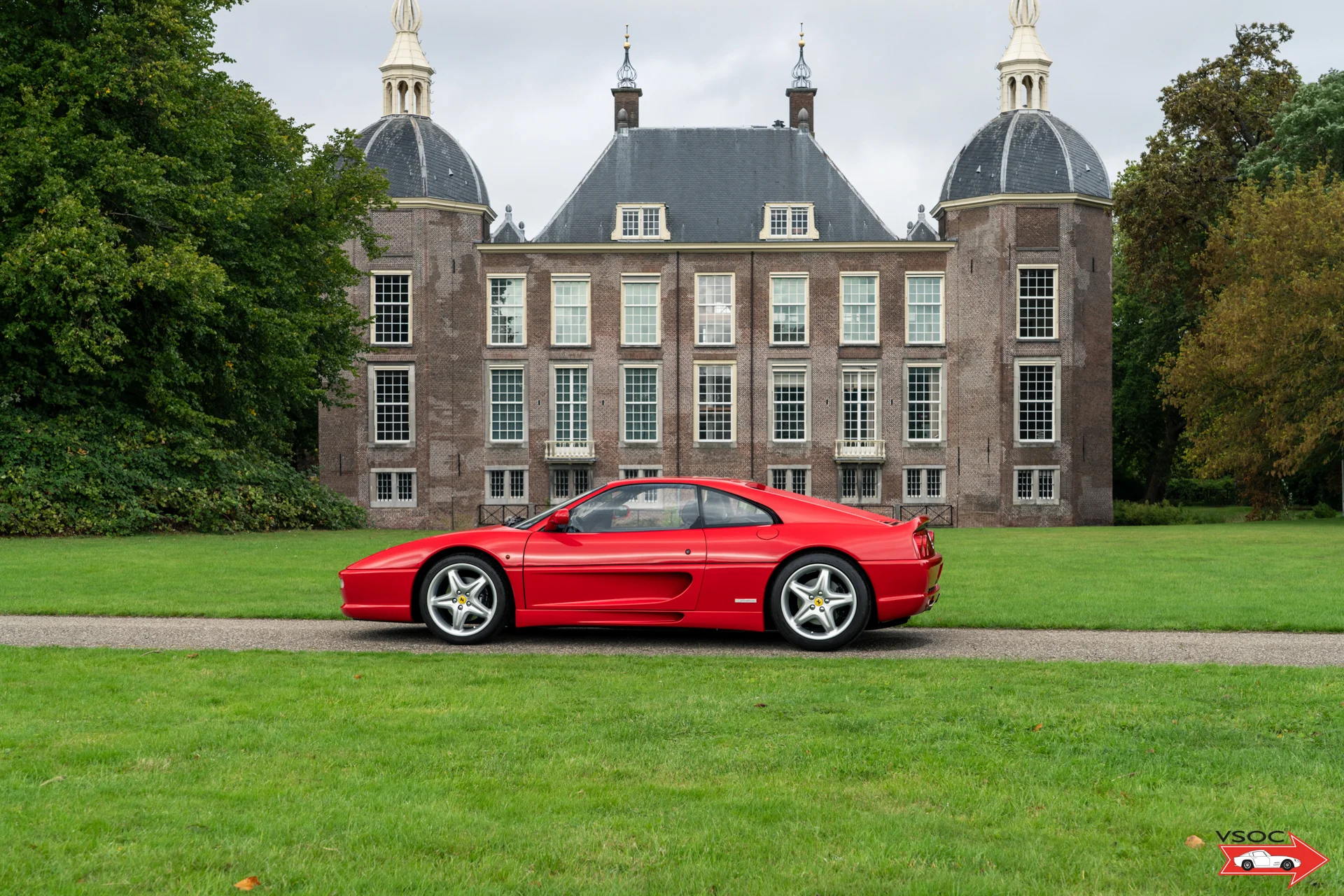
A Ferrari’s history can be as compelling as its shape. Decades of servicing, competition, restoration and changing tastes leave their mark. By the time a car reaches its next owner, an attractive photograph and a confident description may tell only part of the story.
Ferrari Classiche gives that story a factory reference point. The familiar red certification book carries weight because it connects an individual car with the company that built it. Understanding precisely what that connection establishes makes the book much more useful.
What Ferrari Classiche actually does
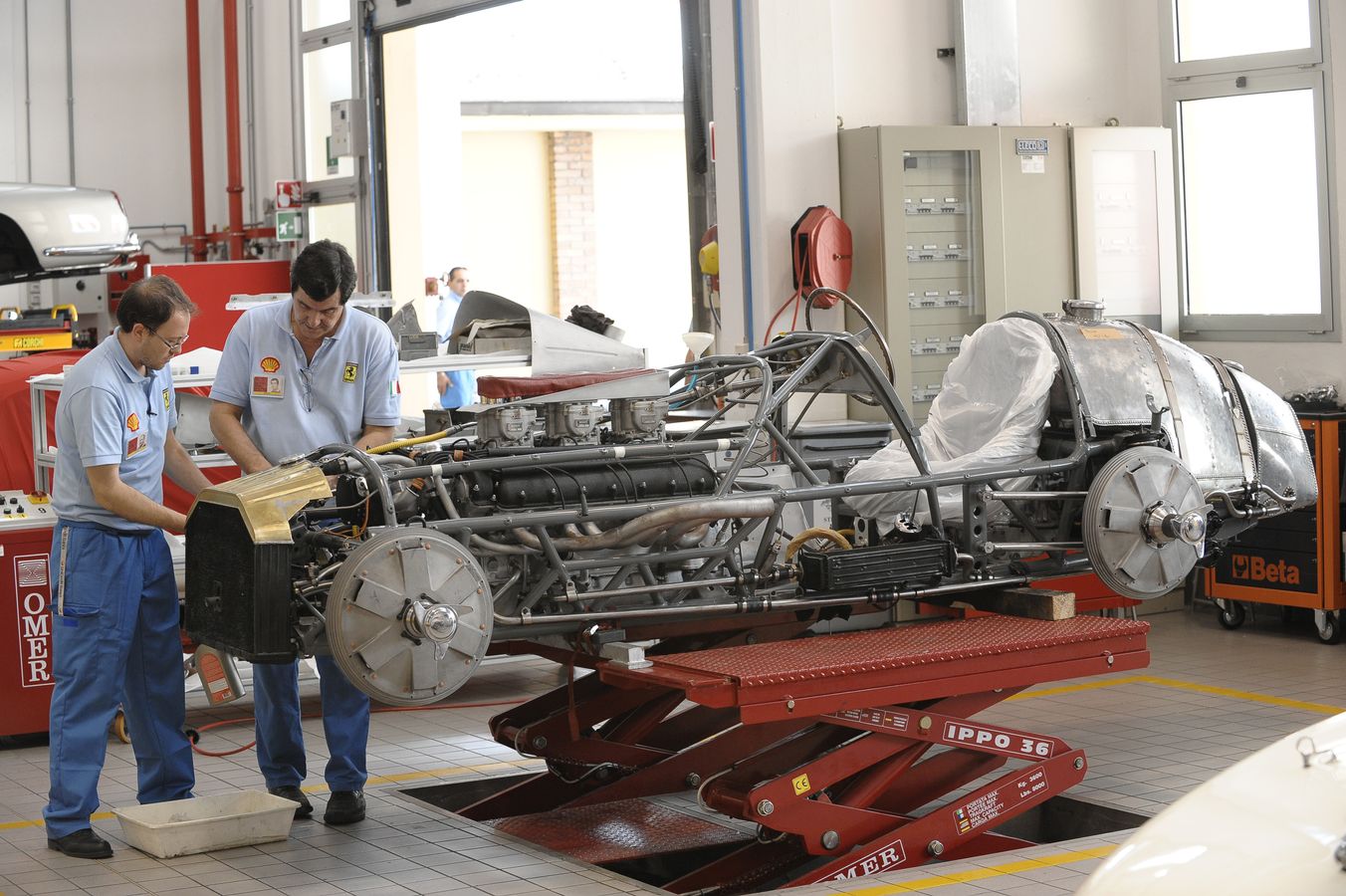
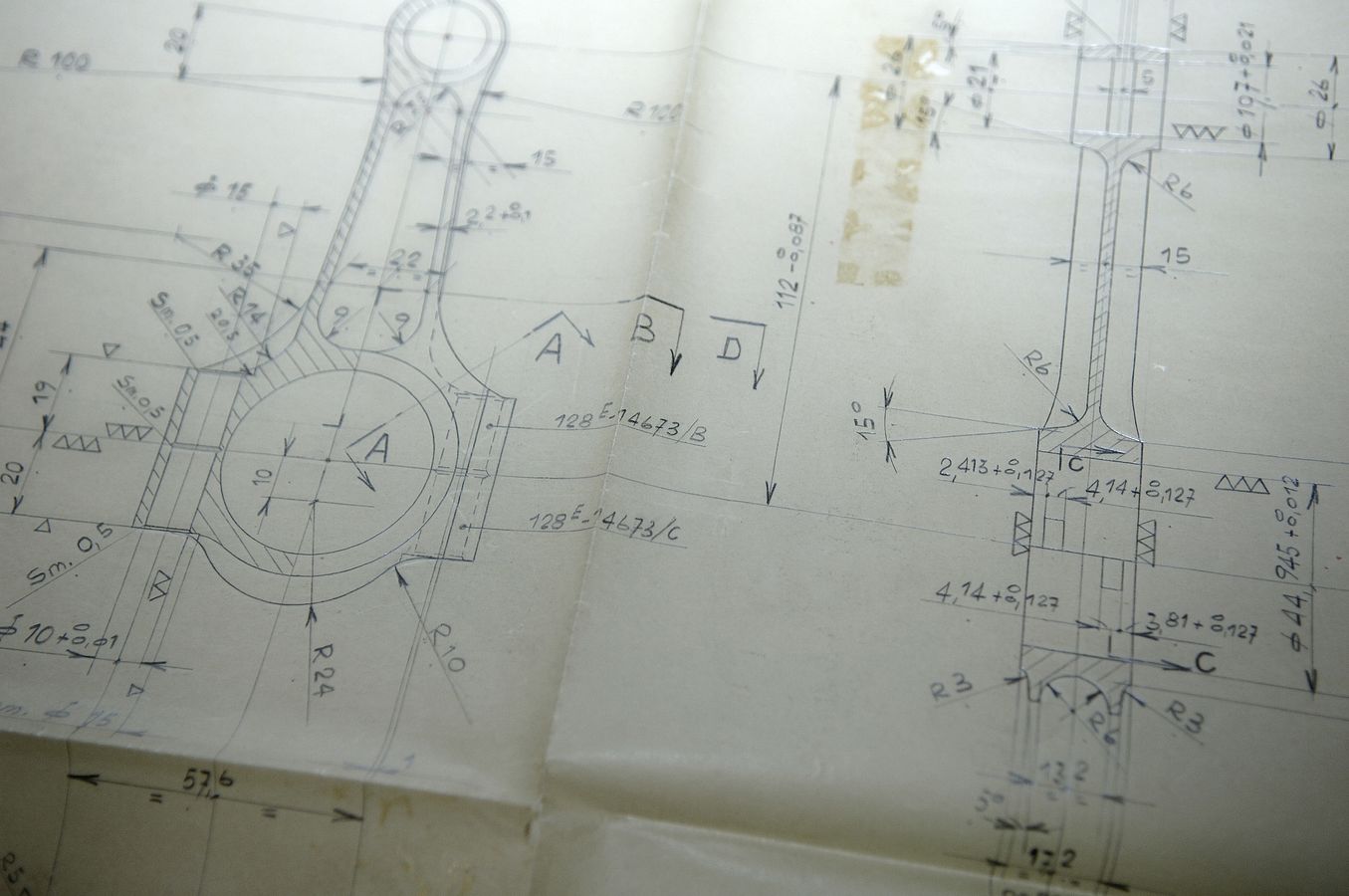
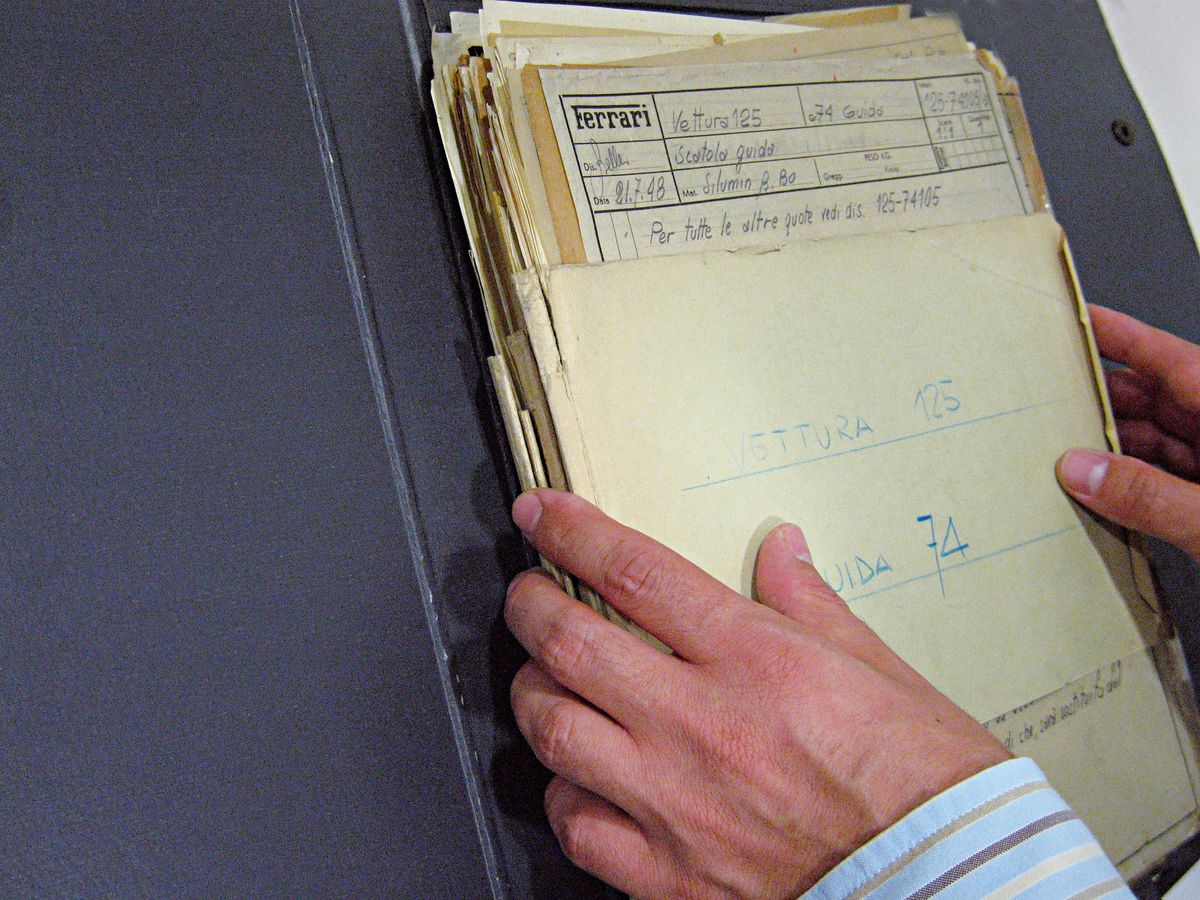
Ferrari established its Classiche department in 2006 to support the preservation, restoration and authentication of historic Ferraris. Its work draws on the company’s production archive, including assembly records dating back to its earliest cars. Ferrari’s Ferrari Forever exhibition announcement explains the relationship between those records, the workshop and certification.
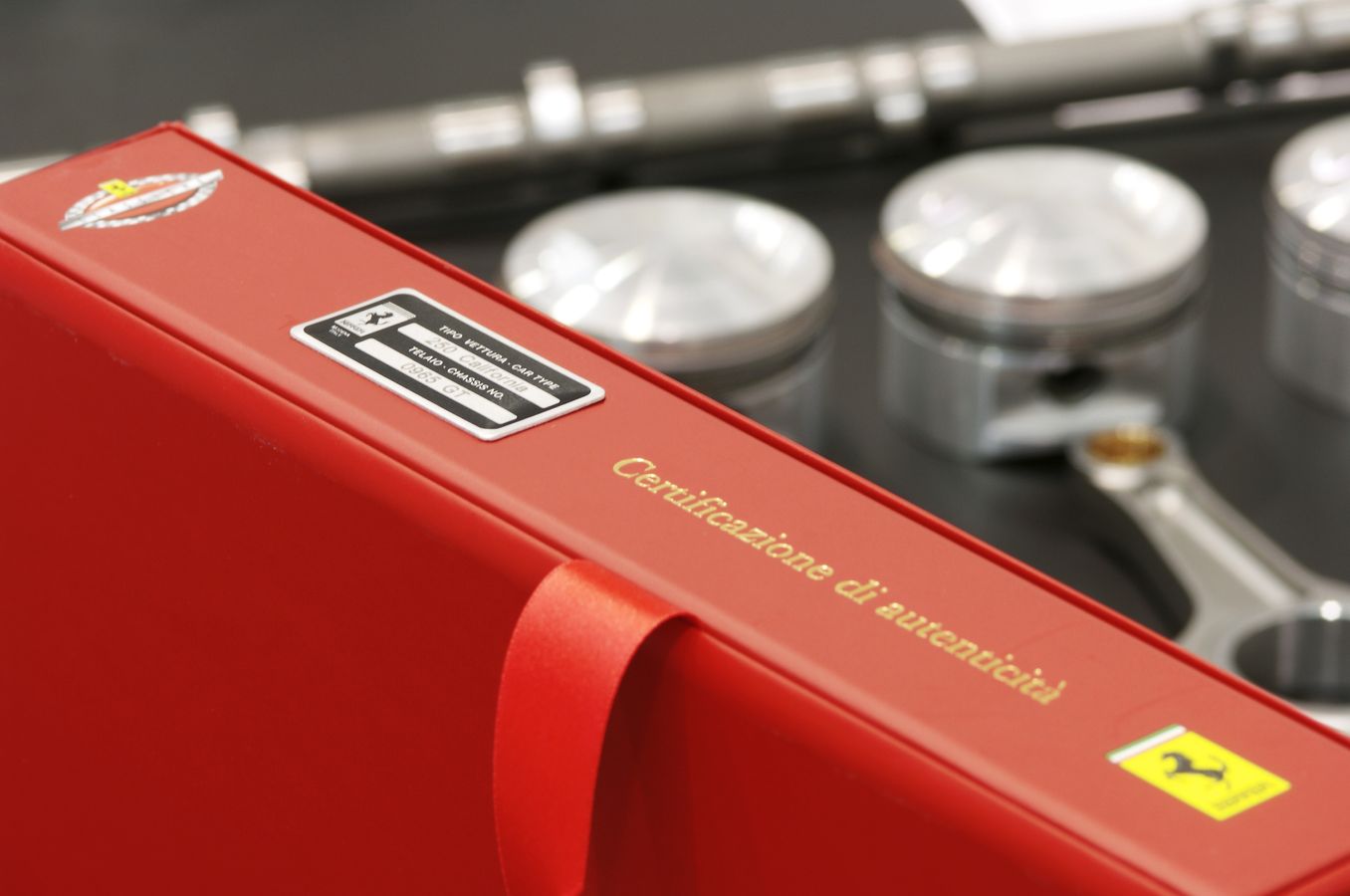
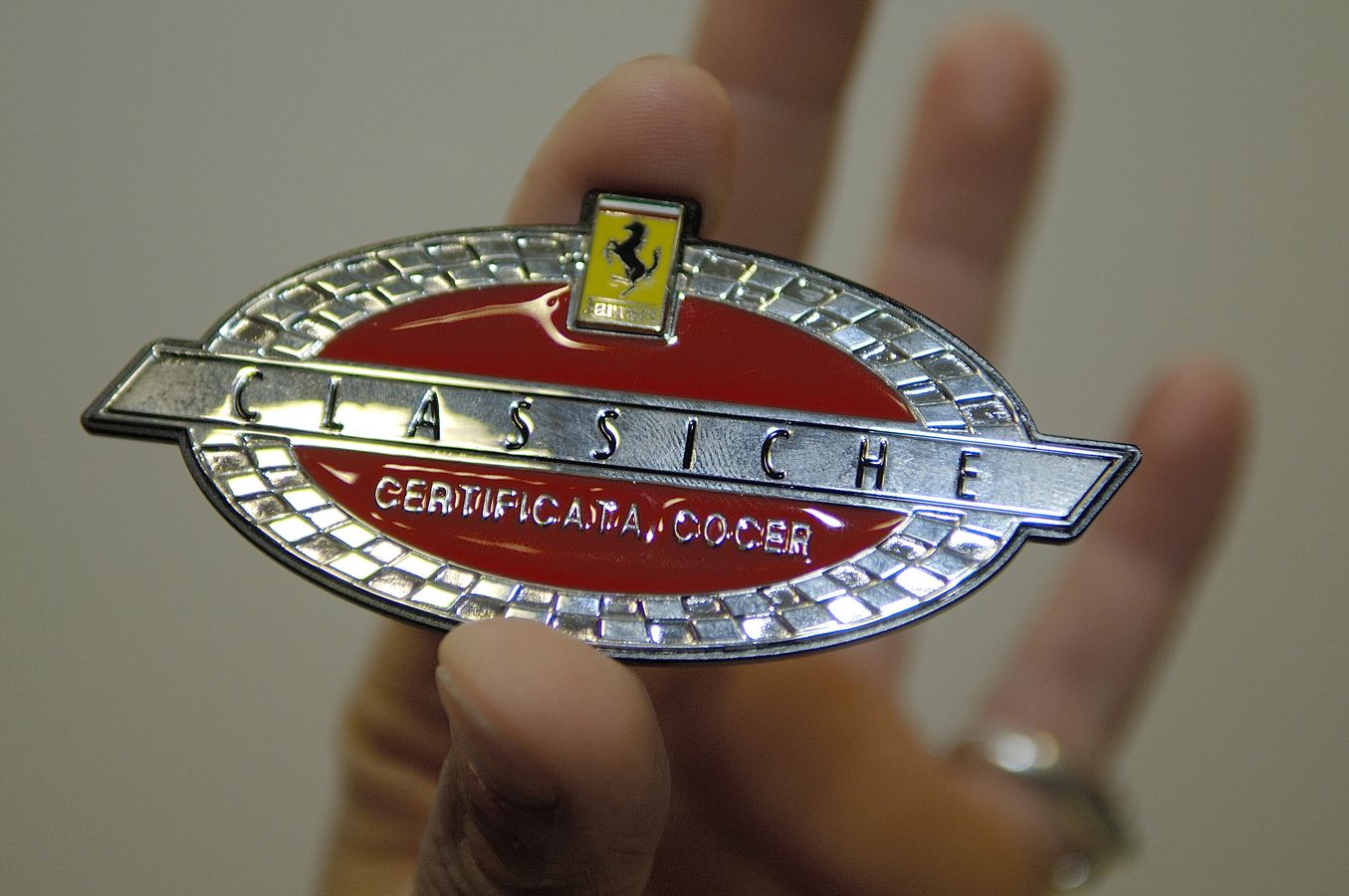
Certification assesses authenticity and conformity to Ferrari’s requirements. An approved car receives a Certificate of Authenticity and the accompanying documentation commonly called the Red Book. The useful object is the complete record: the car’s identity, the components examined and the findings recorded. A photograph of a red binder in an advertisement is only the beginning of that conversation.
For a prospective owner, we would treat the book as something to read alongside the service file. It should help you ask more precise questions about the car you are considering.
Which Ferraris are eligible?
The usual starting point for road cars is an age of more than 20 years. Certain limited-series and competition categories can qualify under different rules. Eligibility still depends on the individual car and Ferrari’s verification; reaching an anniversary alone does not confer certification. Ferrari of Boca Raton’s official Classiche guidance describes those categories and requirements.
That makes Classiche relevant to the modern-classic owner as well as the collector of early Ferraris. If you are considering an F355 or 360, it is reasonable to ask about certification. For a car near the age threshold, have an authorized Classiche workshop check the chassis and production date before making plans or accepting a seller’s assurance that it qualifies.
From inspection to the Red Book
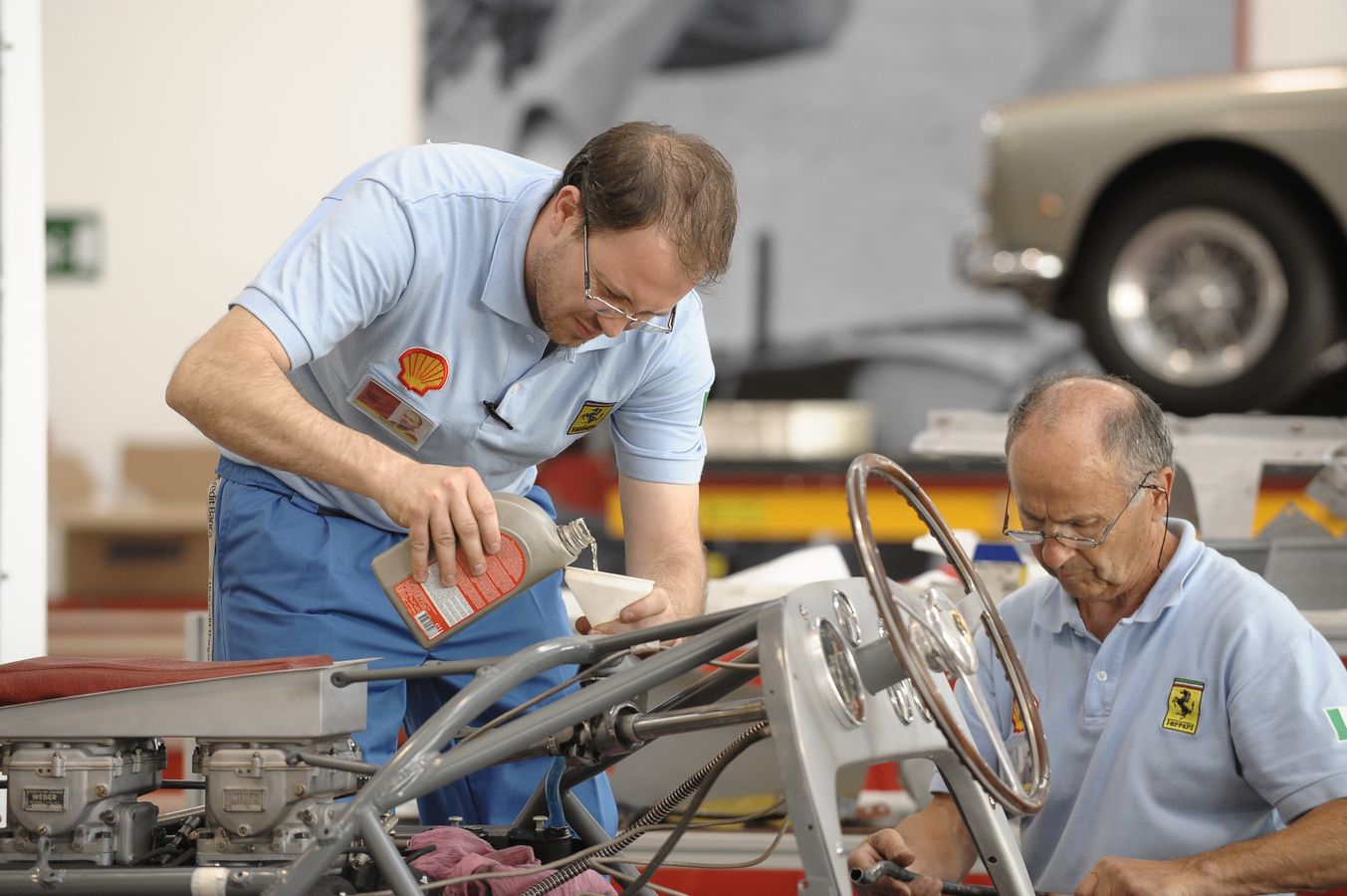
The process brings together the physical car and its factory history. The authorized-dealer guidance describes an initial inspection, factory verification and certification for approved vehicles. Areas assessed include the chassis, engine, transmission, suspension, brakes, wheels, bodywork and interior. A car must also meet Ferrari’s mechanical requirements; this is more than an exercise in collecting old paperwork.
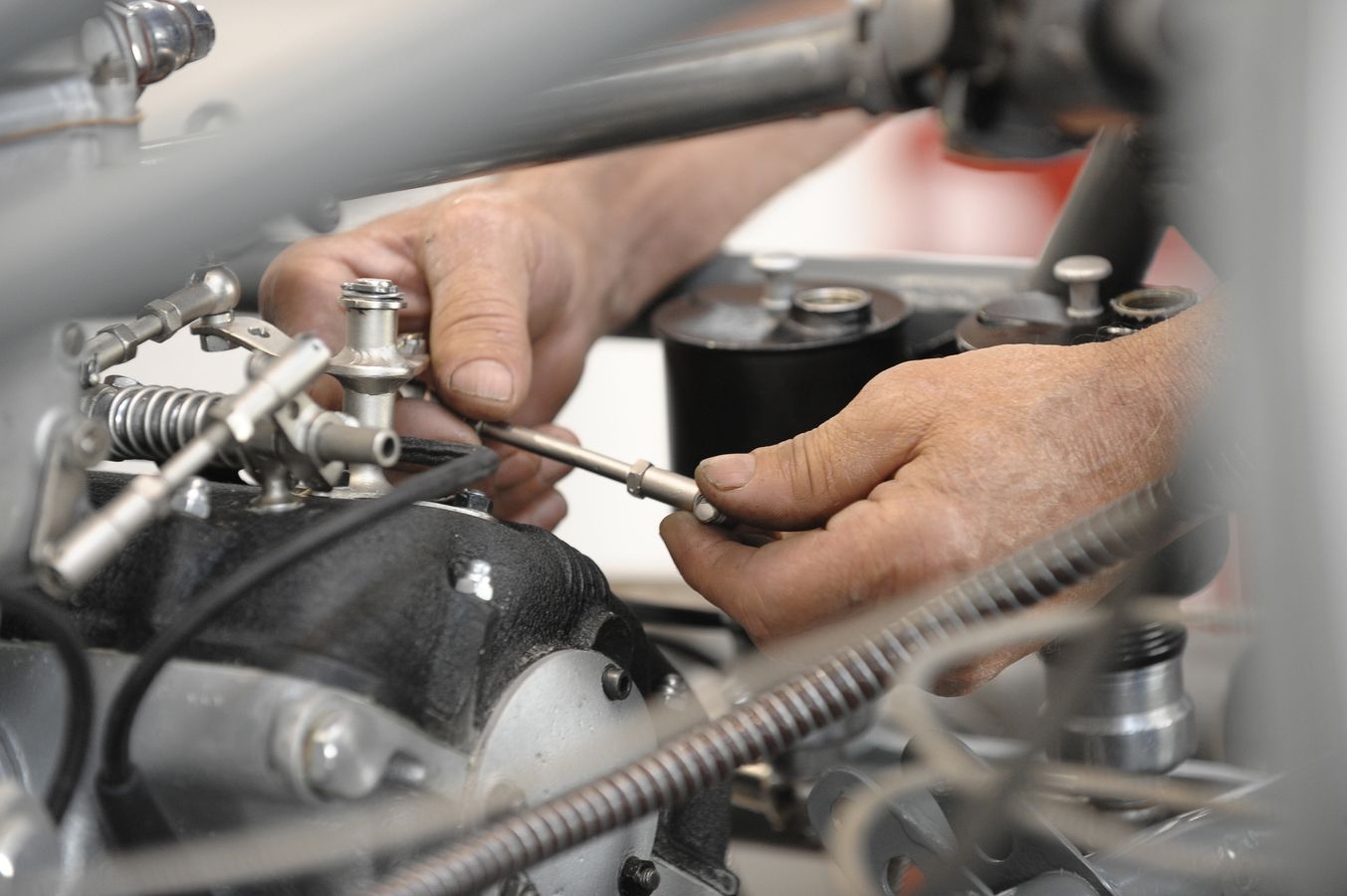
Ferrari’s 2024 Annual Report describes inspections at the factory or authorized workshops, with certification decided by an expert committee. It also describes the role of the Officina Classiche network in inspection, repair and revalidation.
A sensible first step is an assessment before authorizing major expenditure. Ask the workshop to identify what can be verified, what needs further investigation and what would need correcting. Separate the certification process from any proposed restoration so you understand the purpose and price of each piece of work.
Factory-correct and original are different questions
Ferrari’s account, True to the Last Bolt, describes the detailed comparison of a car against its build sheet and component records. It also explains how Ferrari replacement parts can be documented through service records. Those details matter: a correct replacement and a component installed when the car was built do not have the same history.
A certified car should therefore not be advertised or understood automatically as untouched, unrestored or entirely original in every material. Read what its certification actually records. If the engine, gearbox, bodywork or finish has been changed, ask when, why and how that work is documented. Ferrari also describes manufacturing replacement components to original specifications for restoration in its annual report.
This distinction is especially useful when evaluating a modified modern classic. A manual conversion, aftermarket wheels or a changed exhaust deserves a specific conversation with the workshop. Do not assume an alteration is acceptable because it improves the driving experience, or that removing one visible modification resolves every question. Equally, the absence of certification does not by itself establish that a car is incorrect.
What value does certification bring?
We see the strongest value in the reduction of uncertainty. A buyer has factory-backed evidence to consider, a seller has a more substantial basis for describing the car, and the next owner receives another part of its documented history. For a Ferrari whose appeal depends heavily on authenticity, that can be an important advantage.
It can also make two seemingly similar cars easier to distinguish. If one has a complete certification file, coherent invoices and an inspection that supports the description, its seller can answer questions that remain open on the other. The benefit is strongest when the documents agree with each other and with the car in front of you.
However, there is no sound universal percentage to add to a Ferrari’s price simply because it has a Red Book. A 2020 auction comparison published by The Classic Car Trust reported higher average prices for certified examples in small groups. That is an interesting observation, but differences in condition, specification, history and sale circumstances prevent it from isolating certification’s effect. It is not a reliable formula for pricing a different car today.
Our advice is to compare recent sales of genuinely similar cars and assess the whole package. Certification may improve marketability or support a premium for a particular buyer. It does not guarantee a sale, a return on the cost of obtaining it, or future appreciation.
The car today still needs an inspection
Certification and current condition answer related but separate questions. A car may have accumulated mileage, stood unused, received replacement parts or been modified since its certification photographs were taken. The date on the paperwork matters, and so does everything that happened afterward.
Before buying, ask an authorized Classiche workshop to confirm the car’s certification status and any applicable inspection or revalidation requirements. Ferrari’s published description of its network includes revalidation; a seller’s possession of the book should not be treated as a promise that no further checks are needed.
Then commission an independent pre-purchase inspection appropriate to the model. Ask about structural repairs, corrosion where relevant, leaks, brakes, tire age, cooling, electrical functions and the service work coming due. Engine and transmission assessments should follow the specialist’s advice for that particular car. A road test and a cold start can raise questions no photograph of paperwork will answer.
Keep the records together. Certification, restoration photographs, maintenance invoices and a current inspection report become more persuasive when they describe a consistent history. Our guides to reading the records and a better pre-purchase inspection offer a practical place to start.
What will it cost, and is it worthwhile?
Get a current written quote for your car. We would not budget from an old forum post or a fee paid for a different model. Inspection and certification charges are only part of the possible expense; corrective work, parts, transport, taxes and a return visit can change the calculation.
Ask for the initial assessment to distinguish required work from recommended maintenance and optional cosmetic restoration. Agree on how additional work will be approved, and ask for a realistic timetable based on the car’s condition and the availability of anything it needs.
For a highly original car with good records, certification may be a logical next chapter. For a project with substantial unknowns, establishing the repair budget comes first. For a well-maintained car bought chiefly for driving, you may reasonably give immediate maintenance priority. The right decision depends on your intentions for the car and what the process will establish.
Before you buy a certified Ferrari
- Read the complete book. Ask for the certificate, inspection photographs and component information, rather than a cover photograph.
- Match it to the car. Have a knowledgeable specialist check the chassis identity and interpret the recorded component details.
- Understand replacements. Ask which important parts are original to this car and which are later, factory-correct replacements.
- Build the timeline. Compare the certification date with subsequent invoices, repairs, modifications and mileage records.
- Confirm its status. Ask an authorized Classiche workshop about current verification and revalidation requirements for this chassis.
- Inspect independently. Evaluate present mechanical and structural condition, ownership documentation and the seller’s claims.
- Budget for ownership. Allow for the work your inspection identifies, whether or not the car is certified.
Our view: a stronger history, with room for the drive
Classiche is most valuable when it deepens your understanding of the Ferrari. Its authority comes from access to factory records and the ability to compare them with the physical car. That is a meaningful contribution to ownership, particularly where authenticity is central to the purchase.
We would welcome a complete, well-explained Red Book in the history file. We would still read the invoices, listen to the specialist and drive the car. Good documentation should make it easier to enjoy a Ferrari with confidence.
Original article and buying perspective by Darin, TRATTO. Sources checked October 10, 2026. Cover photography: VSOC — Very Superior Old Cars. Ferrari Media Centre photographs are archive material from Classiche galleries dated March 30, 2009; they illustrate the program and are not photographs of a current inspection or vehicles offered for sale. Ferrari archive images are presented in full without retouching under the Media Centre’s informational editorial-use terms. TRATTO is independent of Ferrari.