Character
The Diablo is a car whose shape often precedes any knowledge of its specification. The width, low roof and dramatic doors make it immediately recognisable. That visual identity is part of the attraction, but it can also hide the extent to which the model changed during its life. A useful search starts by deciding which part of the Diablo story you want to experience.
Introduced in 1990, the Diablo carried Lamborghini’s V12 flagship line into the 1990s. The original rear-wheel-drive car was followed by the all-wheel-drive VT in 1993, with further road and competition versions developing the family. Lamborghini’s history shows why the name should be treated as a range of specifications, not a single standard car. Lamborghini’s Diablo history.
Versions
An early coupé is the starting point for buyers attracted to the original design. The VT introduces all-wheel drive, while the Roadster changes the relationship with the body and roof. The SV, SE30 and later 6.0 cars belong in a more detailed comparison: establish the exact identity and equipment before comparing an asking price with another Diablo.
Separate factory specification from later changes. Wheels, paint, trim and exterior components can alter a car’s appearance considerably. A listing photograph can suggest a version, but it cannot authenticate one. Request the chassis details, original documents and an explanation of any changes before treating a car as a particular variant.
Our approach is to start a comparison with the version, body style, driven wheels and market of original delivery. Add the documented condition and service history next. This keeps a visually similar but mechanically different car from becoming a misleading price reference.
Living with a Diablo
Make the viewing practical. Try entering and leaving the car, the seating position, pedal relationship and visibility. Consider your garage entrance and the places you expect to visit. If you will travel with a passenger, make sure they are comfortable with the experience too. These checks help turn a long-held idea into a car you can use.
For a Roadster, have the seller demonstrate the roof arrangements and include the panel, fittings and seals in the inspection. For any version, discuss the controls and normal operating behaviour with someone who knows that particular car. Unfamiliarity should lead to an explanation, rather than either an immediate concern or an assumption that everything is normal.
Identify a suitable workshop before purchase. Ask about its experience with your chosen version, realistic appointment availability and how it obtains parts. The relationship will matter whenever a problem needs diagnosis or a repair needs planning. We intend our specialist network to support those conversations, with no workshop referral fees.
A little more clarity
Common questions
Can I identify the exact variant from a photograph?
Use visual details as a starting point, then establish the chassis identity and original specification. Later parts and cosmetic changes can make different versions look similar.
Should I find a specialist before I buy?
Yes. Discuss the version, inspection scope, parts support and practicalities of maintenance while you are still researching. It will make the decision and the first months of ownership clearer.
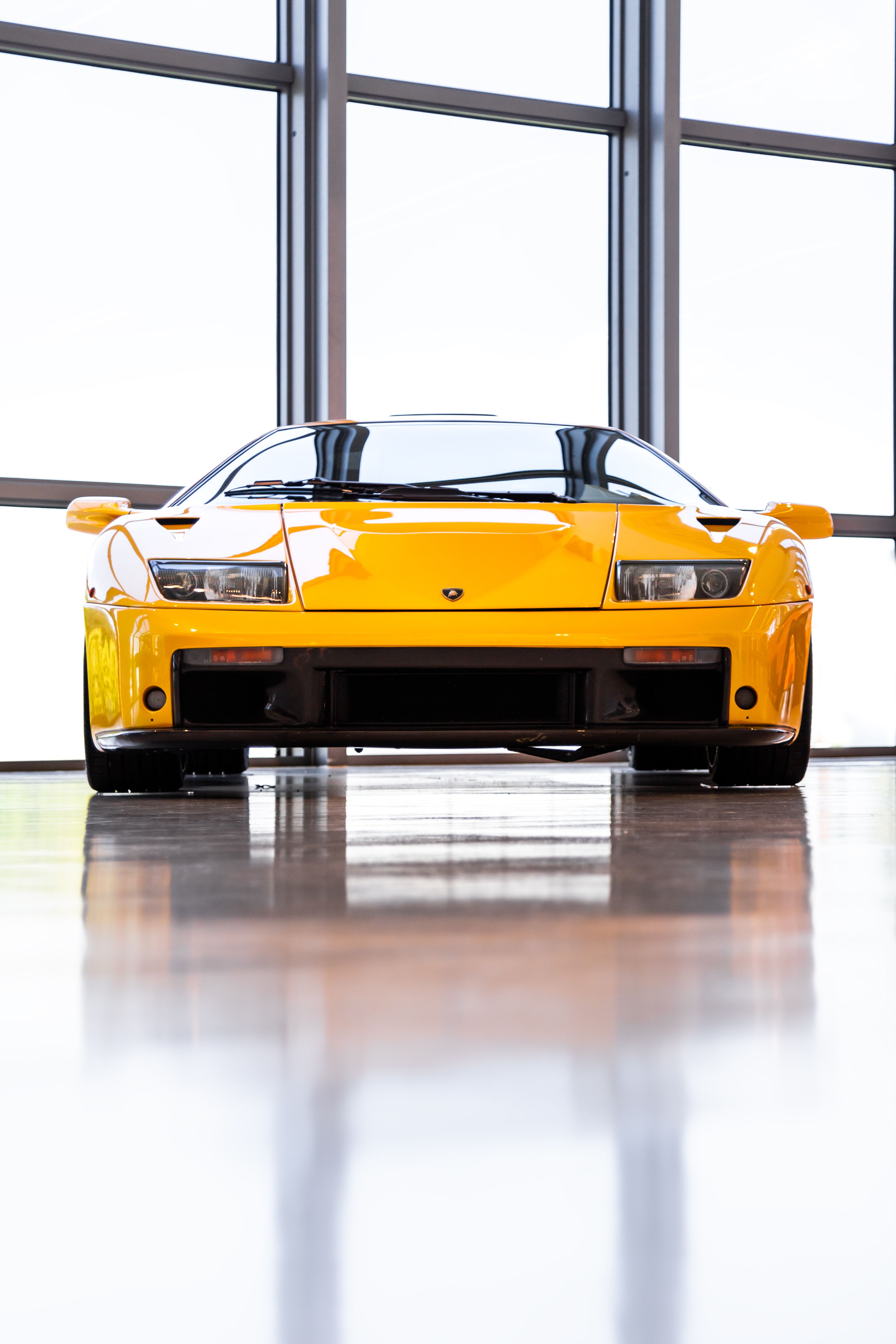
Is the yellow car on this page for sale?
No. It is a model-reference photograph by Quentin Martinez, used under the Pexels License. It is not connected to marketplace inventory.
History & condition
A good history file explains what happened between the photographs. Organise invoices by date and mileage, note time spent in storage and ask what work returned the car to use. Distinguish maintenance, repairs, restoration and modifications. Each category answers a different question about the current car.
Send the file to an independent specialist before the inspection. Agree on a cold start, road test where appropriate, inspection access and diagnostic work suitable for the version. Ask separately about compression and leak-down testing. When additional work is recommended, request the reason, scope and estimated cost, and keep unknowns visible.
A familiar name on an invoice is useful context, but the completed work still needs to be understood. If an engine, gearbox or body restoration is described broadly, ask for the detail and any supporting photographs. You should be able to explain the important work to the next owner without relying on the wording of an old advertisement.
Rare versions
Lamborghini’s record includes the anniversary SE30 and motorsport-linked versions such as the SV-R and GTR. These identities require specialist verification. A car with competition history needs its use and subsequent work understood; a road car wearing similar components should be described according to its own documents. Lamborghini’s model record.
For any limited-series claim, establish what identifies the chassis as part of that series, which original components remain and what has changed. A plaque is one piece of evidence, not the whole explanation. Avoid paying for a story that the records cannot support.
Buying one
The right Diablo for your plans is the one whose version, condition and ownership requirements you have taken time to understand. Build a budget around the actual inspection, including work before use and the practical cost of getting the car to the people who will maintain it. Resolve significant identity or condition questions before committing.
Plan the inspection and understand the additional engine tests. The yellow Diablo photograph is a licensed model reference, not a sale listing or a condition report.